A clinician writing for the population the conversation has been slowest to name.
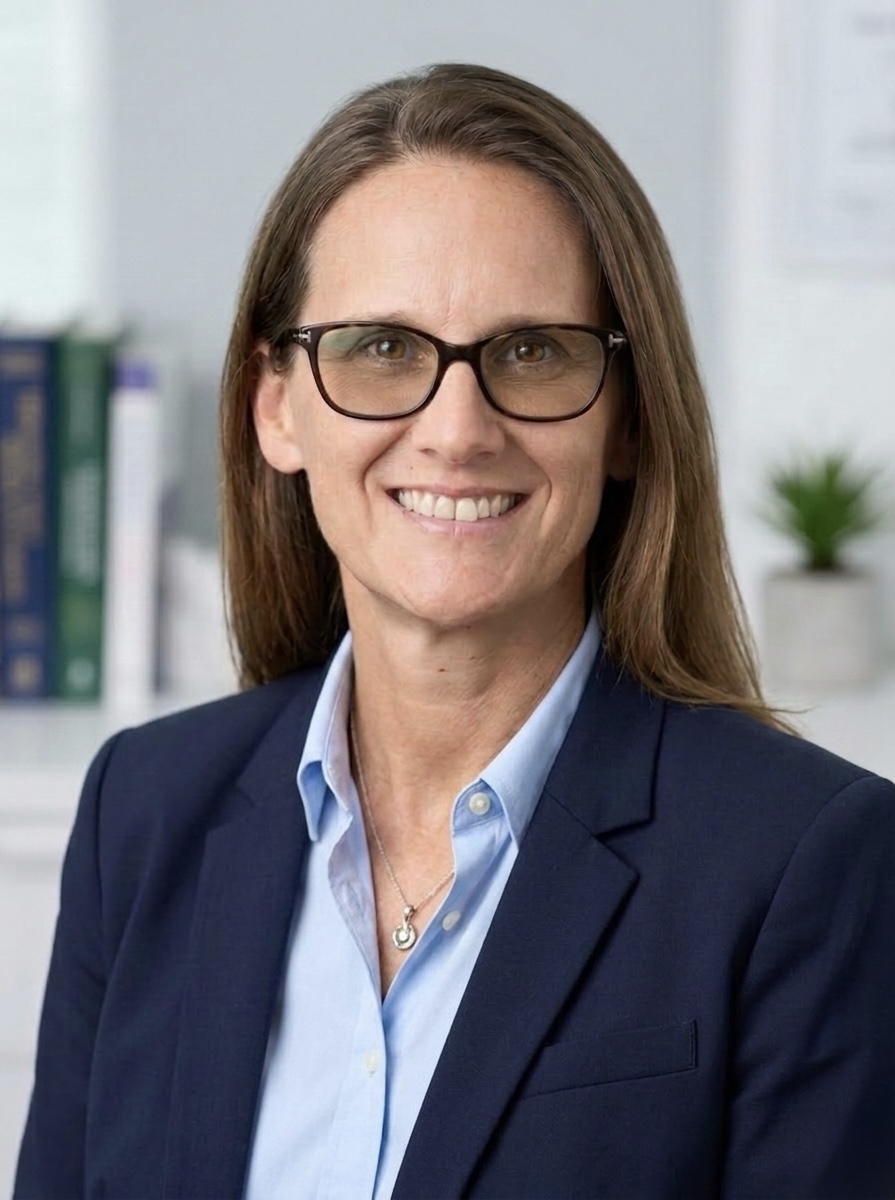
Amanda D. Langford, PMHNP-BC — Board-Certified Psychiatric Mental Health Nurse Practitioner
The squirrel handles the daily doses and the warm voice. The licensed human handles everything else. What follows is the longer story.
I'm a licensed and board-certified psychiatric mental health nurse practitioner. The adults I see in my clinical work are often the same population this work is written for — encountered later in their timeline, after the high-functioning adaptation has run out of room and the consequences have arrived. Substance dependence. Legal entanglement. Custody disputes. Autoimmune collapse. The downstream weight of years carrying something that was never named.
What I have come to see in that clinical work is that the constellation of symptoms is recognizable long before it surfaces as consequences — and that the difference between the people who recognize themselves early and the people I meet in clinical practice is often a matter of access to language. The body of work this site is part of exists to give that language to the people who can still use it upstream.
Why this work
The profile is consistent. Articulate. Capable. Often successful — particularly in helping fields. Often in their thirties or forties. Carrying a constellation that does not map cleanly onto the diagnostic categories providers reach for first: chronic tension, sleep that does not restore, relationships organized around other people's needs, an inner critic louder than they would tolerate from anyone else, an inability to actually rest. By the time consequences arrive, the question is no longer "is this me?" — it is "how did I get here?"
What these adults needed before they reached me wasn't another anxiety diagnosis. It wasn't another round of CBT for "perfectionism." What they needed was a framework that took the trauma research of the last twenty years and translated it into language they could actually use — without overclaiming, without diagnosing them through a screen, and without flattening everything into a five-word inspirational summary.
That framework is what I write about — in the books, in the program, in the free tools. All of it is built from clinical observation and the literature, and all of it respects the intelligence of the person reading it.
Background & credentials
I am board-certified in psychiatric mental health nursing (PMHNP-BC). My clinical work has involved adults across complex psychiatric presentations — including populations whose trauma history is rarely the first thing on the chart, even when it is the most relevant. My writing is informed by that clinical experience, by the research literature on complex trauma, attachment trauma, the fawn response, allostatic load, and emotional neglect, and by the patterns I have watched repeat across presentations.
What this work is — and isn't
The work is educational. The writing, the assessments, the program, and the workbooks are designed to help readers recognize patterns and build a vocabulary for their own experience. None of it constitutes clinical care. None of it creates a clinician-patient relationship between us. The materials do not diagnose any condition. The materials do not replace working with a qualified mental health professional.
If anything you read surfaces material that needs more than an educational framework can hold, please reach out to a therapist or psychiatric provider in your area. If you are in crisis right now, please call or text 988 (US), the Crisis Text Line at 741741, or your local emergency line.
Where the rest of the work lives
This site is the warm voice — daily doses, the field guide, the discovery-friendly material. The longer-form work — books, programs, articles, free toolkits — lives at amandadlangford.com. Same human. Both are part of the same body of work.